
"Ethiopian Yirgacheffe"
500 article(s) found

Introduction to the flavor description of Ethiopian Yega Xuefei G2 washing cup
Flavor description of Ethiopian Yejashefi G2 washing cup taste introduction the coffee tree of Yegashafi was planted by European monks (a bit like Belgian monks growing wheat to brew beer) and was later transferred to farmers or cooperatives. Yejassefi is actually constructed by surrounding coffee communities or cooperatives, including Edido Idido and Harford near Fog Valley Misty valley.

What are the beans and varieties of Ethiopian Manor? How is the flavor and taste?
Professional coffee knowledge exchange more coffee bean information please follow the coffee workshop (Wechat official account cafe_style) Ethiopia is the hometown of Arabica coffee, it is in the forests of the Kaffa region that you can see wild Arabica coffee. In Ethiopian, coffee is called Bun or Buna, and coffee beans (coffeebean) may be from Ka

Comparison of characteristics and flavors in Ethiopian Coffee producing areas _ how much is a pack of Ethiopian coffee beans
Professional coffee knowledge exchange more coffee bean information please follow the coffee workshop (Wechat official account cafe_style) Ethiopia is the hometown of Arabica coffee, it is in the forests of the Kaffa region that you can see wild Arabica coffee. In Ethiopian, coffee is called Bun or Buna, and coffee beans (coffeebean) may be from Ka

The Ethiopian Yega Sheffield Ediot Cooperative introduces which one tastes better, Ediot or Guotintin.
Ethiopia washed Ethiopia Yirgacheffe Idido Washed Sheffield G1 Edido Village (Idido) country: Ethiopia (Ethiopia) producing area: Yegashefi (Yirgacheffe) Edido Village (Idido) producer: Edido Cooperative (Idido cooperative) Variety: native species (Heirloom) Grade: G1 altitude: 1800-2200m treatment

Yega Snow Coffee Flavor Adoto introduces the characteristics of Yejia Chefe Coffee
Today, Ethiopia is an important coffee producer, with about 12 million people engaged in coffee production and a major exporter of Arabica coffee beans in Africa. The high-quality coffee here is of excellent quality and is worth looking for. A variety of coffee cultivation methods can be found in Ethiopia: from wild coffee forests and semi-developed land

The Yega Snow Coffee producing area of a coffee with unique flavor
Today, Ethiopia is an important coffee producer, with about 12 million people engaged in coffee production and a major exporter of Arabica coffee beans in Africa. The high-quality coffee here is of excellent quality and is worth looking for. A variety of coffee cultivation methods can be found in Ethiopia: from wild coffee forests and semi-developed land
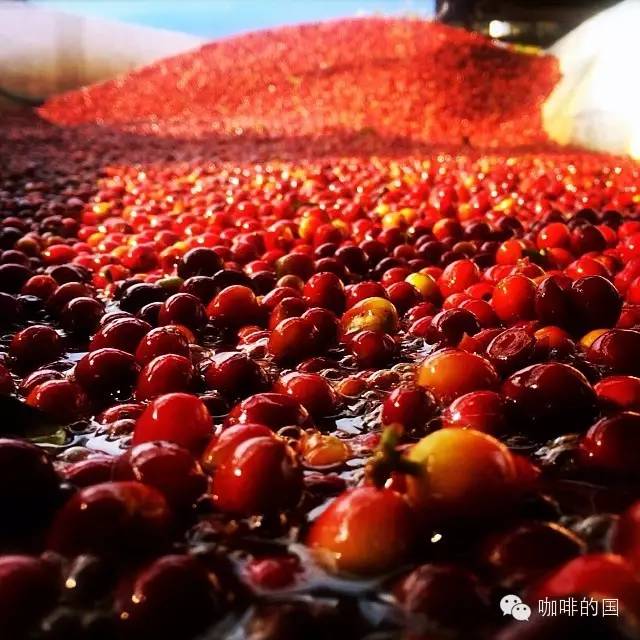
How to Choose Coffee Beans Ethiopian Yerga Sherffi Kocher Wash G2 Yerga Sherffi Ripe Beans
Kocher is located 25 kilometers southeast of Ethiopia, a small production area, is a rich coffee production area, but also one of the three famous micro-production areas of Yejia Shefi, local residents about 100,000 people, coffee beans as the main source of income, this production area processing equipment is very advanced. Coffee Review rated Kocher's beans 94 points.

What is Ethiopian coffee? What is the treatment of Ethiopian coffee?
Ethiopia is a professional coffee knowledge exchange more information about coffee beans Please follow the coffee workshop (Wechat official account cafe_style) Arabica Coffee is the hometown of Arabica Coffee, it is in the forests of the Kaffa region, you can see wild Arabica coffee. In Ethiopian, coffee is called Bun or Buna, and coffee beans (coffeebean) may come from

Ethiopian Coffee introduction Coffee beans Coffee processing Coffee Flavor Ethiopian Coffee details
Ethiopia is the hometown of Arabica coffee, and it is in the forests of Kaffa that you can see wild Arabica coffee. In Ethiopian, coffee is called Bun or Buna, and coffee beans (coffeebean) may be translated from Kaffa Bun. Arabica coffee was discovered early in the Harald area, probably from Kafa.

Ethiopian boutique coffee introduces boutique coffee beans characteristics of Ethiopian boutique coffee
Ethiopia is the hometown of Arabica coffee, and it is in the forests of Kaffa that you can see wild Arabica coffee. In Ethiopian, coffee is called Bun or Buna, and coffee beans (coffeebean) may be translated from Kaffa Bun. Arabica coffee was discovered early in the Harald area, probably from Kafa.

Flavor description of Ethiopian Coffee Manor introduction of High-quality Coffee beans in producing areas
In February 1977, Lieutenant Colonel Mengistu Haier Maryam (MENGISTU HAILE MARIAM) launched a military coup and served as Chairman of the interim military Administrative Council and head of State. In 1979, the Ethiopian Labor people's Party Organization Committee, dominated by soldiers, was established to implement an one-party system. In 1984, the Ethiopian Workers' Party was formed according to the Soviet Communist Party model. Mengistu, September 1987

Introduction to the grade of Ethiopian coffee
Grade of Ethiopian coffee: Ethiopian washed coffee Yega Chuefei G1 G2 Sidamo (Yirgacheffe, Sidamo) has the highest grades 2 and 3 (G2, G3), while sun-processed coffee in eastern Ethiopia is mostly grade 4 or 5 (G4, G5). In many cases, level 4 coffee is marked as level 5 in order to reduce taxes. At present, the classification is not uniform and there are

Introduction to the flavor and taste characteristics of Ethiopian coffee manor with rich alcohol thickness
Although the Ethiopian Yirgacheffe coffee is petite, it is gentle and delicate and sweet. As the hometown of coffee, thousands of years of planting history and processing tradition in Ethiopia have created high-quality washed Arabica beans. Light baking has unique sweet aromas of lemon, flowers and honey, soft acidity and citrus flavors, fresh and bright on the palate. No.
Description of flavor and aroma of Ethiopian sun Yega Sheffield G1 Jettip coffee
Professional baristas exchange please pay attention to the coffee workshop (Wechat official account cafe_style) product name: 94 Ethiopian sun Yega Xuefei G1 Jettip (Ethiopia Natural Yirgacheffe Gedeb G1) flavor description: orange peel and other orange fruit notes, jasmine, lemon sugar, honey, frankincense, cream chocolate, rich acidity, smooth taste. Cup

Ethiopian coffee introduction Ethiopian coffee beans exquisite coffee beans and introduction
Ethiopia is the hometown of Arabica coffee, and it is in the forests of Kaffa that you can see wild Arabica coffee. In Ethiopian, coffee is called Bun or Buna, and coffee beans (coffee bean) may be translated from Kaffa Bun. Arabica coffee was discovered early in the Harald area.

Flavor description of Ethiopian Yejia Coffee Coffee Bean
Flavor description of Ethiopian Yega Coffee Coffee Flavor processing Yega Coffee is the representative of East African boutique coffee (specialty coffee). It has a very special and unusual citrus fruit and floral aroma, making it one of the most distinctive coffee in the world, which is relatively rare and expensive. It is produced in Ethiopia's Sidamo province (sidamo) at an altitude of 4000 feet.

Ethiopian boutique manor coffee bean Boboya processing plant washes the flavor and flavor of Yega Xuefei G1.
Professional coffee knowledge exchange more coffee bean information please follow the coffee workshop (Wechat official account cafe_style) Ethiopian boutique manor coffee beans Boya processing plant washed Yega Xuefei G1 flavor and taste characteristics? How do you plant it? (Ethiopia Washed Yirgacheffe Borboya G1) producing area: Yega Xuefei Oromia variety: Heirloom

Ethiopian Arabica coffee with rich body Original growing environment Fine coffee
The highest grades of washed Ethiopian coffee Yirgacheffe G1 G2 Sidamo are Grade 2 and Grade 3 (G2, G3), and the coffee processed in the sun in eastern Ethiopia is mostly Grade 4 or Grade 5 (G4, G5). In many cases, fourth-grade coffee is labeled as five-grade in order to reduce taxes. Now the classification is not very uniform, some chaos, because there are sun processing

Introduction of Coffee Manor in Sidamo Gedeo District, Sidamo Province, Yega Snow Coffee producing area
Today, Ethiopia is an important coffee producer, with about 12 million people engaged in coffee production and a major exporter of Arabica coffee beans in Africa. The high-quality coffee here is of excellent quality and is worth looking for. A variety of coffee cultivation methods can be found in Ethiopia: from wild coffee forests and semi-developed land

Flavor description of Ethiopian Coffee producing area
For more information on coffee beans, please follow Coffee Workshop (Wechat official account cafe_style) Ethiopia is a landlocked country in East Africa, bordered by Eritrea to the north and north-east, Djibouti and Somalia to the east, Kenya to the south and Sudan and South Sudan to the west. A vibrant earth